
Live Streaming vs. Traditional Broadcasting: Which is Right for Your Event?


In today's fast-paced digital world, event organizers face a crucial decision: should they opt for live streaming or stick with traditional broadcasting? Both methods have their unique advantages and challenges, and the right choice often depends on the specific needs and goals of your event. In this post, we'll explore the key differences between these two broadcasting methods to help you make an informed decision.
Understanding Live Streaming
Live streaming has become increasingly popular due to its accessibility and interactivity. Unlike traditional broadcasting, live streaming allows viewers to engage in real-time. This can be a game-changer for events looking to create a more engaging experience for their audience.
One of the biggest advantages of live streaming is its cost-effectiveness. With minimal equipment and platforms like YouTube and Facebook Live, event organizers can reach a global audience without breaking the bank. Additionally, live streaming offers flexibility, allowing viewers to watch from any location.
The Appeal of Traditional Broadcasting
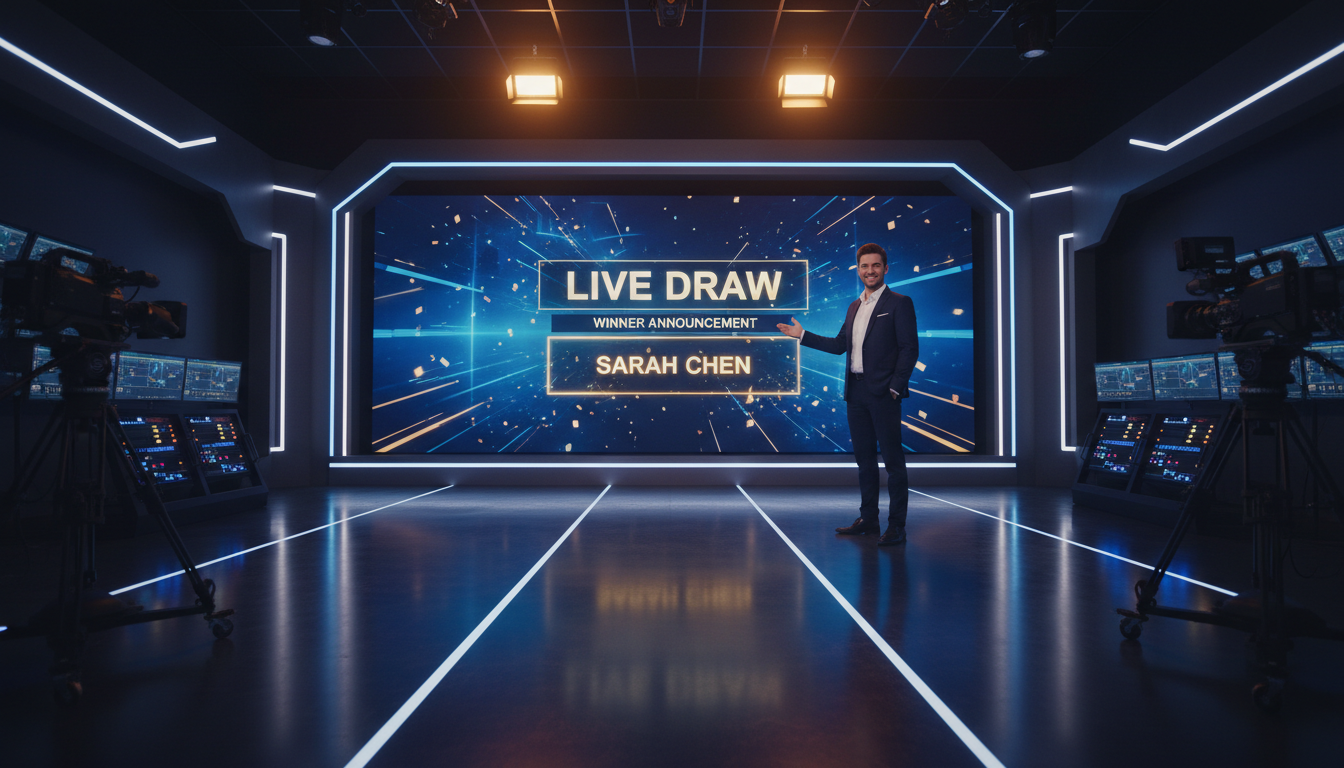
Traditional broadcasting, while often more expensive, offers unparalleled reliability and quality. It ensures high-definition video and audio, with fewer risks of technical glitches. For events prioritizing a polished and professional presentation, traditional broadcasting might be the better choice.
Moreover, traditional broadcasting can reach audiences who may not have access to digital platforms or prefer consuming content through television or radio. This demographic can be significant, depending on the target audience of your event.

Key Factors to Consider
When deciding between live streaming and traditional broadcasting, consider the following factors:
- Audience Reach: Determine where your target audience is most active.
- Budget: Live streaming is generally more budget-friendly.
- Quality: Traditional broadcasting offers higher production quality.
- Interactivity: Live streaming allows for real-time engagement.
Combining Both Methods
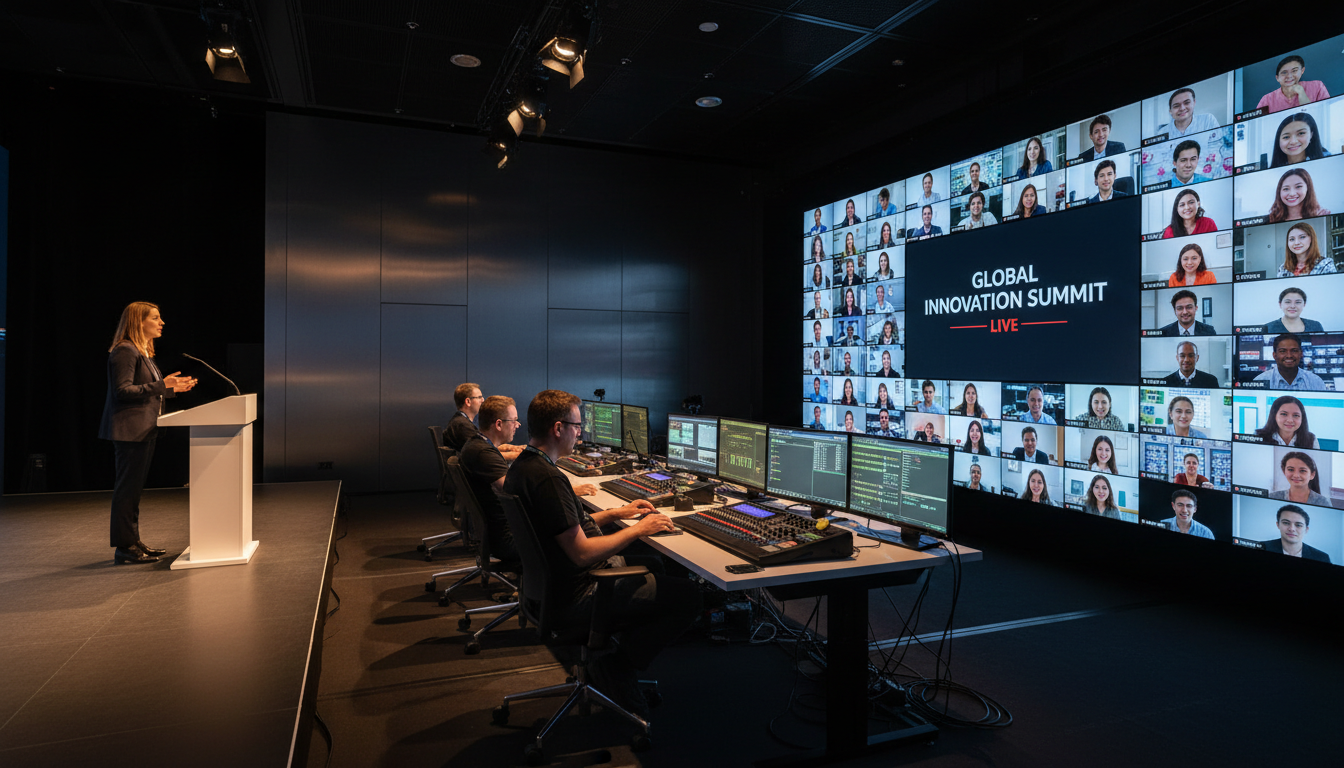
For some events, a hybrid approach that incorporates both live streaming and traditional broadcasting can be the most effective strategy. This allows you to maximize reach and engagement while maintaining high production standards.
Consider using traditional broadcasting for the main event while offering live streaming for behind-the-scenes or supplementary content. This can enhance the viewer experience and provide added value.
Conclusion: Making the Right Choice
Ultimately, the decision between live streaming and traditional broadcasting should align with your event's objectives and audience preferences. By carefully considering the advantages and limitations of each method, you can create an event experience that resonates with your audience and achieves your goals.
Whether you choose live streaming, traditional broadcasting, or a combination of both, the key is to focus on delivering quality content that engages and excites your audience. With the right approach, you can ensure your event is a resounding success.